INSTITUTION - VALUE - MISSION
CODE is a partner in the Indigenous Key Farmer-Based Network of Southeast Asia, and has, alongside its sister organizations TEW (Women’s Rights-Based Organisational and Institutional Development), CIRD (Indigenous Community Rights-Based Development), CHESH (Land Use Master Planning for Community-Based Ecological Economic Practices), and SPERI (Social and Cultural Capital, Customary Law-Based Foundation Development) been working to enrich the Ecological Value of Highland Watershed Forests since 1995. Today CODE see the principal challenge facing Highland Watershed Forests and the communities living within them as the ecological, social and cultural damage being caused to by the unconstrained encroachment of industrial agriculture into these ecologically and culturally sensitive areas.
Understanding the history of CODE and its partners, CODE is, in the coming decades, re-positioning itself to bridge community entrepreneur leadership, commercial enterprises, and government policy makers in a shared moral and ethical approach in Highland Watershed Forest regions. One that respects the cultural, economic and ecological concerns of all parties.
CODE sees the newly established trade in Carbon Credits offers a prime opportunity for achieving this goal. It is therefore offering to act as an Independent Arbitrator in this trade to ensure that rural community entrepreneurs (community forest owners), and business enterprises (carbon emitters) share in a ‘no-harming’ approach to the forest trees, soil, and water that are the major source of the carbon sequestration for the Carbon Credit Market. CODE offers to supervise, on behalf of the government, the fair trade in carbon credits, the fair payment of taxation on incomes earned, and to facilitate media engagement to advance the national understanding of the whole Carbon, Carbon Credit and Carbon Credit Supply Chain complex.
CODE’s values and mission is to strengthen the interspace between 5 stakeholders (community forest owners, carbon emitters, independent arbitrator, government, and media) in the national Carbon Credit Supply Chain in highland, coastal, and delta regions to ensure the ‘fair sharing’ of the moral and ethical principles in the ecological circular economy of today and tomorrow.
Our Leadership
Dedicated leaders with extensive experience behind CODE Inter
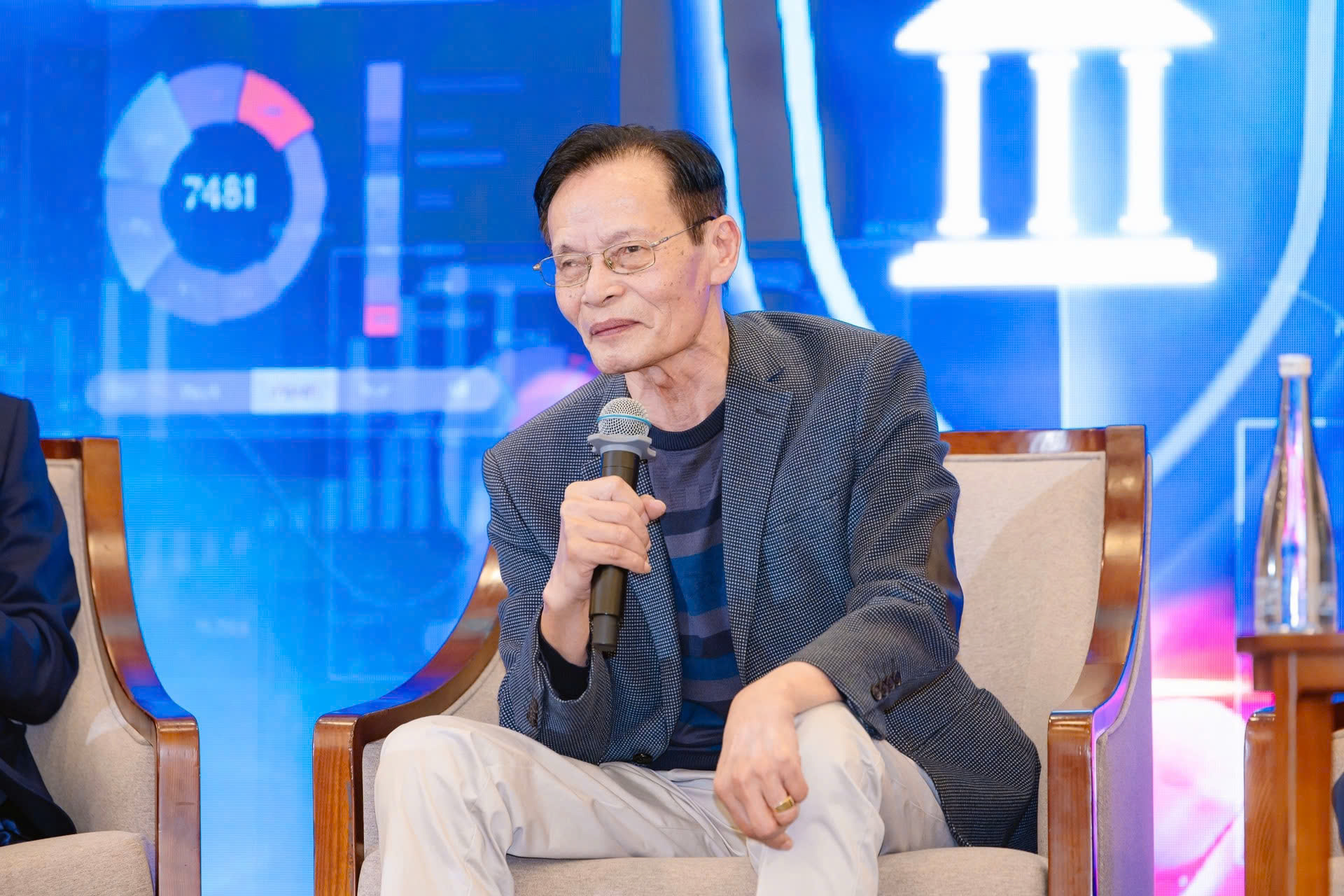
Director
Dr. Le Xuan Nghia
An economist and finance expert with nearly 30 years of experience. He has held many important positions in the state economic sector and served as economic advisor to the Prime Ministers of Vietnam and Laos. He is currently a member of the Prime Minister's Policy Advisory Council.
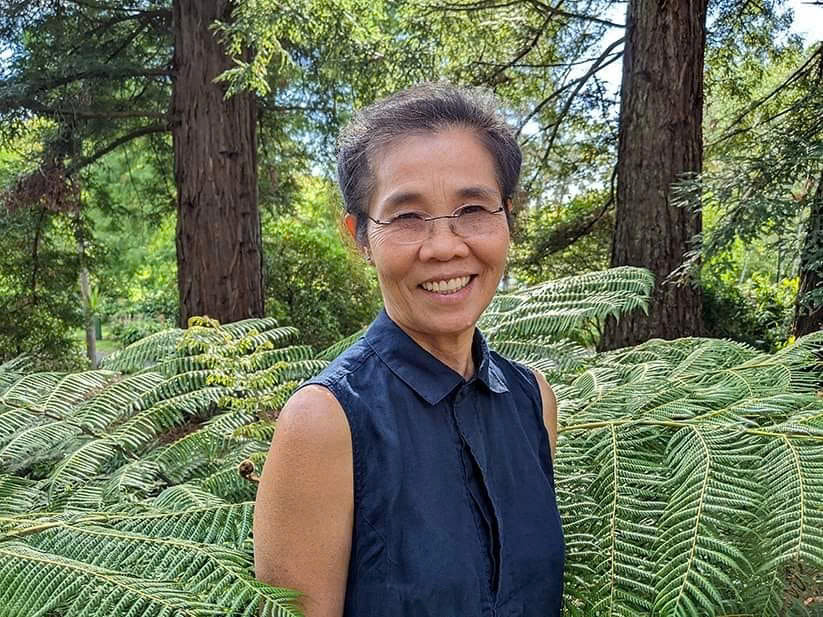
Chairman of the Institute Council
Ms. Tran Thi Lanh
A Humanist Ecologist with over 30 years of experience in research, application, and development of traditional civil society among ethnic minority communities in the Mekong Basin. She specializes in customary law in community governance and natural resource management.
SUCCESSFUL PROJECTS IMPLEMENTED FROM 2007 TO PRESENT
Since its establishment in 2007, the Consultancy on Development Institute (CODE) has affirmed its position as a leading independent research and policy review organization in Vietnam. The Institute focuses on core areas: mineral resources governance, renewable energy, ecological environment protection, and the promotion of sustainable livelihoods for vulnerable local and indigenous communities.
1. Macroeconomic Mineral Exploitation Policy Review
Central Highlands Bauxite Programs (Nhan Co & Tan Rai)
Conducted extensive research on economic efficiency, red mud storage risks, and downstream water security, promoting transparency in production costs and operational structures.
Titanium Mining Programs in Binh Thuan and Ha Tinh
Evaluated the negative impacts of titanium extraction in red sand layers on coastal ecosystems and the freshwater security of local communities.
Rare Earths Governance Research (Yen Bai & Lao Cai)
Surveyed current realities and proposed technology and policy roadmaps to prevent resource loss and safeguard the environment during rare earths initiatives.
2. Energy and Hydropower Impact Assessments
Thuong Kon Tum and Son La Hydropower Programs
Deployed independent field research on water flow dynamics, riverine ecology, and the consequences of post-hydropower resettlement. CODE's recommendations helped improve compensation policies and secure long-term land and livelihoods for affected local communities.
3. Sustainable Development & Regional Planning
Socio-Economic Development Programs for the Mekong Delta (7 Southwestern Provinces)
Collaborated with international experts to build development scenarios and assess climate change risks, integrating these insights into the future master plans for the Mekong Delta.
4. Forest Governance & Carbon Credits
Livelihood Support Linked to Traditional Customs
Facilitated local communities in restoring cultural identity tied to land and forest allocation, successfully promoting forest co-governance models in mountainous areas.
Forest Carbon Credit Supply Chain Promotion
Hosted leading international expert workshops and provided training on carbon credit certification procedures for tropical rainforests and mangrove forests, generating sustainable economic added value for vulnerable communities in Vietnam and the Mekong region.
FUNCTIONS OF THE INSTITUTE (CODE)
Policy Analysis & Large-scale Programs Context
1) Conduct research, analysis, and policy review
Conduct empirical research, scientific analysis, and policy review of mineral exploitation programs in Vietnam (including the Nhan Co and Tan Rai Bauxite, Ha Tinh and Binh Thuan Titanium, and Rare Earths initiatives in Yen Bai and Lao Cai), the Thuong Kon Tum and Son La Hydropower programs, as well as the socio-economic development programs across the 7 Southwestern provinces.
2) Undertake independent appraisals and recommendations
Undertake independent appraisals and evaluations, and provide recommendations on policymaking processes regarding the environmental, economic, social, cultural, and biodiversity impacts of macroeconomic development programs.
I. FOUNDERS & CORE PHILOSOPHY
The CODE Institute was co-founded in 2007 by Ms. Tran Thi Lanh, an Ecological Anthropologist, and Mr. Goverd Van Ord from the Netherlands. Ms. Tran Thi Lanh is also the Founder of the Social Policy Ecology Research Institute (SPERI) in 2006.
Following its inception in 2007, Senior Professor of Science Le Van Khoa served as the Institute's Director until his passing in 2017. From 2017 to 2023, Ms. Tran Thi Lanh stepped in to assume the role of Director while concurrently serving as the Founding Chair of the CODE Institute. In November 2023, Dr. Le Xuan Nghia took over the leadership and has been serving as the Director of the CODE Institute to the present day.
She is an eminent socio-political activist, recognized not only in Vietnam but also internationally. She has been a passionate contributor to global peace initiatives and was honored as a member of the "1000 Women for the Nobel Peace Prize 2005" global project.
She pioneered the Theory of Bio-Human Ecology. Grounded in this theoretical framework, she went on to invent the concepts of Ecological Livelihood, Livelihood Identity, and Community Entrepreneurship with regards to local farmer needs.
Concurrently, she founded the Community Entrepreneur Development Institute (CEDI) in 2015 to provide a legal framework for the core farmer networks that her organizations have accompanied over a 40-year journey since 1986.
Most notably, she conceptualized "LIVELIHOOD SOVEREIGNTY (LISO)" — which stands as a credible and highly logical pillar among the four global development pillars across four countries: 1) Gross National Happiness (Bhutan), 2) Good Living (Bolivia), 3) Self-Reliance (Vanuatu), and 4) Livelihood Sovereignty in Southeast Asia, with Vietnam serving as the primary territory that inspired her to invent LISO.
Operating License
Operating License issued by the Ministry of Science and Technology No. A628/7/5/2007 (First issuance); Dated 12/12/2023 (latest).
Article 5: Registered Fields of Activity
(Based on the List of Fields annexed to Decision No. 97/QĐ-TTg dated July 24, 2009, of the Prime Minister)
Sociological research methods (2.4.1); Economic and cultural geography (2.5.1); Mining and mineral processing technology (4.11.4); Environmental science — social aspects (3.5.2); Geological and geotechnical technology (4.11.3); Silviculture, ecology, and forest environment (6.2.1); Environmental restoration and rehabilitation technology (4.7.3); Urban and rural planning and development research (2.5.4).